 English
You know, when you walk into a major conference or a concert these days, have you ever stopped to really look at those massive, crystal-clear video walls? There's a good chance you're looking at a P3.9 indoor rental LED screen, a piece of tech that's become the absolute go-to for event planners who need a reliable and stunning visual experience. But what's the deal with this specific "P3.9" model, and why are so many manufacturers, including brands like RoleHeller, focusing on it? Let's break down what you're actually getting when you rent these screens and how to pick the right partner for your next big event.
So, What Exactly is a P3.9 LED Screen?
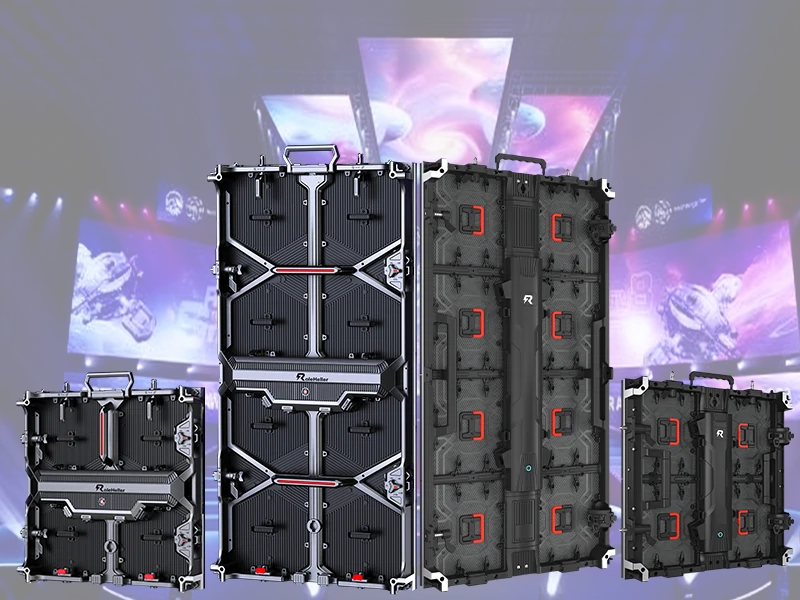
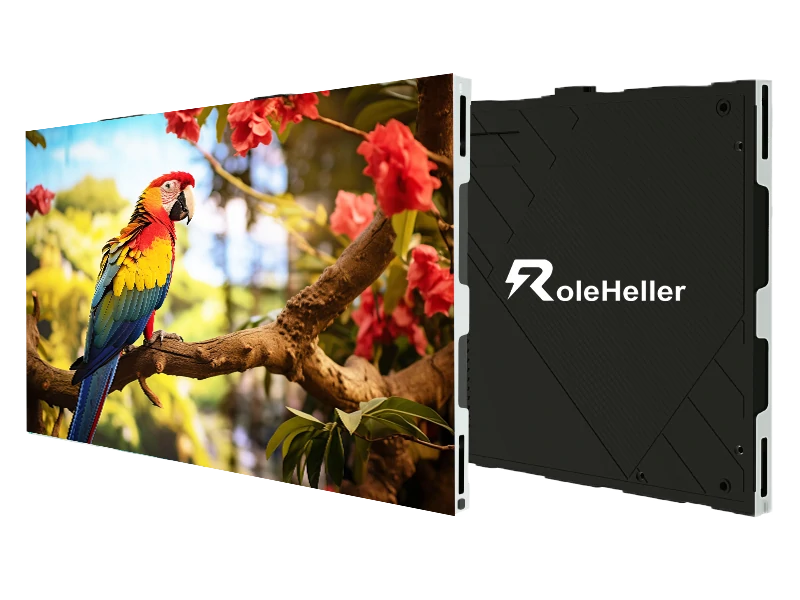
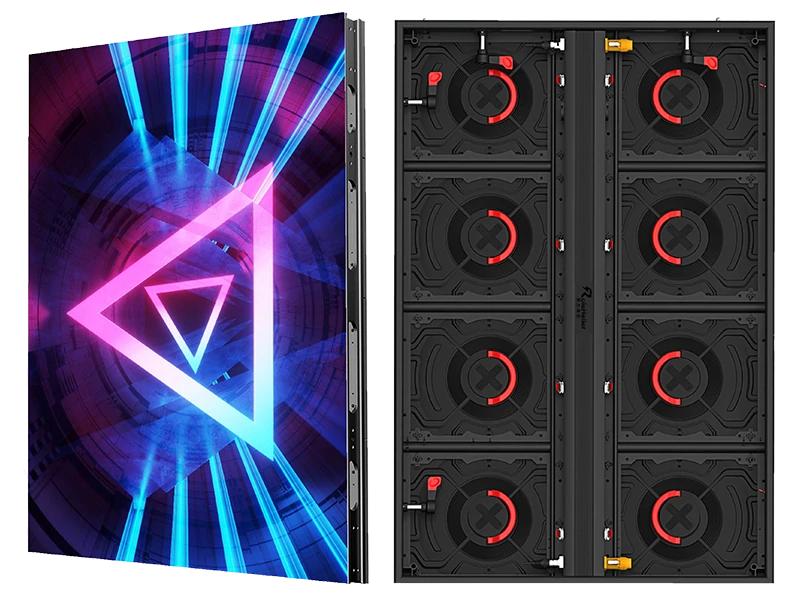
First off, that number—3.9—refers to the pixel pitch, which is basically the distance between the centers of two adjacent pixels, measured in millimeters. A P3.9 screen has 3.9 millimeters between each tiny light dot. Why does this matter? Well, it directly determines the image clarity and the ideal viewing distance. For most indoor events like conferences, concerts, and stage shows, a 3.9mm pitch hits a real sweet spot. It offers a sharp enough image for audiences standing a few meters away, without the crazy high cost of ultra-fine-pitch screens designed for up-close viewing. The screens are built from individual modules, often housed in sturdy, lightweight die-cast aluminum cabinets that are a standard 500mm x 500mm or 500mm x 1000mm in size, making them surprisingly portable and easy to assemble .
Key Features That Actually Matter for Rentals
When you're in the business of renting out equipment, the specs need to be tough and practical. Here’s what the best P3.9 rental units bring to the table:
High Refresh Rate: This is a big one. A high refresh rate, say 3840Hz or even higher, means the image updates super fast . This eliminates flickering in videos and especially during camera recordings, so everything looks smooth and professional on screen and on broadcast.
Solid Brightness: For indoor use, you don't need the blinding brightness of an outdoor screen, but you still need enough to combat stage lighting. A brightness of around 1300 cd/㎡ is pretty common and effective .
Wide Viewing Angle: You want everyone in the room to see a good image, right? These screens typically offer wide viewing angles, like 140° horizontally and 120° vertically, so the colors don't shift dramatically for people sitting off to the side .
Easy Setup & Durability: This is non-negotiable for rental gear. The cabinets use quick-lock mechanisms that let you snap them together in minutes without tools. Plus, being built from die-cast aluminum makes them both lightweight and really sturdy, able to handle the bumps of transport and repeated setup/teardown .
A Quick Look at What You're Comparing
It's helpful to see how P3.9 stacks up against other common rental options. Here's a basic breakdown:
Choosing a Manufacturer: More Than Just Specs
Okay, so you understand the tech. But how do you choose from the dozens of manufacturers out there, particularly from China's major hub, Shenzhen? It's not just about who has the best price on paper. You need to think about:
Quality Control: This is huge. A reputable company will have strict quality control processes to ensure every module you get is reliable. The last thing you need is a dead pixel in the middle of a presentation. Look for manufacturers that talk about their testing procedures.
Rental-Focused Design: Some companies specifically design for the rental market. This means features like front-serviceable modules (you can fix them from the front without taking the whole wall apart), lightweight materials, and excellent customer support for technical issues .
Certifications Matter: Legitimate manufacturers will have international certifications like CE, RoHS, and FCC. These aren't just stickers; they show the product meets specific safety and environmental standards, which is crucial for importing and using them professionally .
The Support System: Especially for a brand like RoleHeller, which emphasizes its project experience, the after-sales support and willingness to provide OEM/ODM services can be a major deciding factor . Can they provide custom solutions if you need them? What's their lead time for replacement parts?
.png "P3.9 Indoor Rental LED Screen")
My Two Cents on the Whole Thing
From my perspective, the P3.9 indoor rental screen is such a popular choice because it genuinely offers the best balance for most common event scenarios. It's a workhorse. You're getting fantastic visual quality without paying for precision that your audience won't even notice from their seats. For rental companies, the durability and modularity mean lower long-term costs and happier clients. The market is super competitive, which drives innovation in making these screens even lighter, easier to handle, and more energy-efficient. If you're looking to invest in rental equipment, focusing on a reliable P3.9 model from a manufacturer that prioritizes quality and service over the absolute lowest price is, in my opinion, the smartest move.
Alright, Let's Tackle Some Common Questions
What's the minimum size I need to order from a manufacturer?
This really varies. Many manufacturers have a Minimum Order Quantity (MOQ) that can be as low as 1 square meter for samples, but for production orders, it might be 8 square meters or more. It's always best to inquire directly about their policies .
Can P3.9 screens be used outdoors?
Generally, no. Standard P3.9 indoor screens lack the weatherproofing (high IP rating) and extreme brightness needed to compete with direct sunlight. Using an indoor screen outdoors could damage it and will result in a poor, washed-out image .
How is the screen controlled?
They come with a dedicated control system, including a sending card and software. The content is typically played from a computer or media player connected to the system, allowing you to control what's displayed on the video wall.
What's the typical power consumption?
Power consumption can vary, but you might see average consumption around 270W~420W per square meter, with a maximum consumption around 680W per square meter. It's important to factor this in for your event's power supply needs .
What kind of warranty is offered?
Warranty terms differ by manufacturer. Some offer 3-5 years on the modules, while others might have different periods. Always check the specific warranty details, including what it covers and the support process, before making a decision .
.jpg "China P1.9 LED Video Wall Manufacturers | Pricing Guide and Top Supplier Picks")
.jpg "How do you pick a reliable China indoor LED display screen manufacturer?")
.jpg "How do you pick a China LED sign display manufacturer you won't regret?")